For facilities managers, consultants and property owners, a CCTV drainage survey should do more than provide footage of a pipe. The most useful surveys help establish what has been inspected, where defects are located and what action is justified by the evidence.
Not every site needs the same level of investigation. A small localised blockage, a pre-construction assessment and a whole-site drainage asset survey can each require different reporting outputs. Agreeing the purpose of the survey at the outset helps prevent gaps in the information later.
1. A clear survey scope and the areas covered
A practical report should identify the site, inspection date, accessible manholes or access points, pipe runs and the reason for inspection. Where the drainage network is not fully known, the survey should distinguish confirmed connections from routes that remain unverified.
For commercial premises and developments, the scope may need to cover foul and surface-water systems separately. Access restrictions, water levels, flow conditions and any sections that could not be surveyed should also be recorded.
2. Pipe characteristics and condition observations
Depending on the inspection method and available information, useful survey details include pipe diameter, material, flow direction, surveyed length and observations of the condition of the pipework.
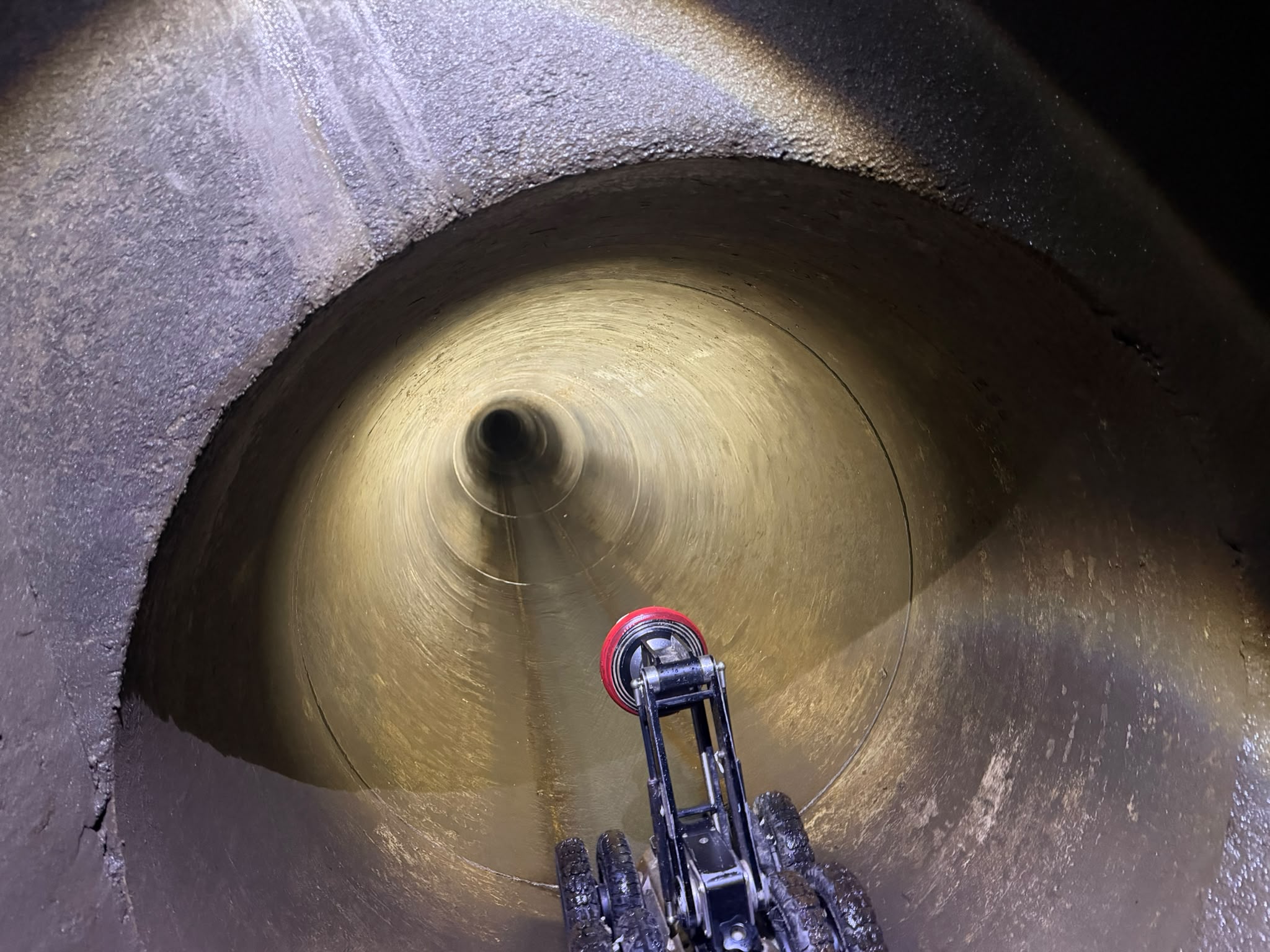
Typical findings might include displaced joints, fractures, deformation, root ingress, deposits, obstructions, standing water or evidence of infiltration. The report should distinguish between what the camera clearly demonstrates and what may require additional investigation.
3. A reliable record of defect locations
When a defect is found, knowing approximately where it lies is often not enough for repair planning. Survey chainage, access point references and suitable tracing methods can make subsequent works more targeted.
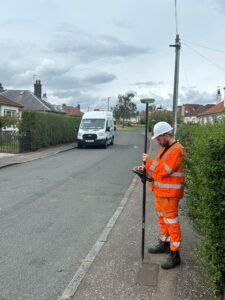
Where required, drainage mapping and GPS/GNSS recording can support the CCTV findings with route information and the positions of accessible assets. The degree of accuracy and what has actually been surveyed should be made clear.
4. Photos, footage and structured reporting
Useful deliverables may include labelled images, inspection footage, a defect schedule and a written summary of findings. For projects requiring a structured condition assessment, survey coding and reporting software such as WinCan may form part of the agreed deliverables.
The reporting format should suit its purpose. A facilities manager dealing with recurrent blockages may want a prioritised maintenance schedule, while a design consultant may need detailed network information that can be reconciled with existing drawings.
5. Proportionate recommendations
A good report should help the client decide what happens next. Possible recommendations may include further access, targeted cleaning, root removal, a localised repair, lining or excavation. Recommendations should reflect the survey evidence and any site constraints, rather than assume that every observed defect requires replacement.
Where cleaning has been needed to obtain usable footage, before-and-after evidence can also help distinguish removed deposits from remaining structural defects.
Questions to ask before commissioning a survey
- What is the purpose: diagnosing a fault, planning repairs, documenting an asset or establishing a pre-construction baseline?
- Which pipe runs and access points must be covered?
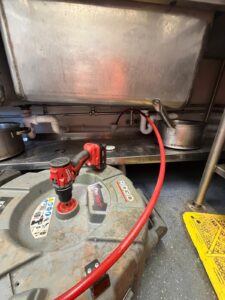
- Will cleaning or flow management be required before inspection?
- Do you need a simple findings summary, a coded report, footage, asset mapping or drawings?
- How should inaccessible or inconclusive sections be reported?
How Envirotech can help
Envirotech Drainage Solutions supports commercial clients, facilities managers and engineering teams throughout Scotland with CCTV drainage surveys, network investigations and associated reporting. Our work can include push-rod or crawler CCTV surveys, pipe tracing and mapping, and practical recommendations based on what is found on site.
For examples of technical investigations and survey work, see our completed drainage projects. To discuss a survey scope or share drawings, contact our team.