Drainage maintenance is often overlooked until a blockage interrupts business operations. For facilities managers responsible for multiple buildings, that approach can lead to emergency call-outs, disruption and limited visibility of recurring problems.
A planned preventative maintenance (PPM) programme should be built around the actual drainage network, the site’s operating conditions and its history of faults. The aim is not to clean every pipe on a fixed schedule. It is to identify where planned attention adds value and provide clear evidence of what has been completed.
1. Start with a drainage asset overview
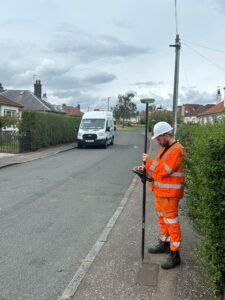
A useful maintenance plan begins by identifying accessible manholes, gullies, channels, rainwater pipes, foul and surface-water routes, interceptors and other relevant drainage assets. Where drawings are incomplete or the network is poorly understood, a targeted survey may be needed before the programme can be scoped reliably.
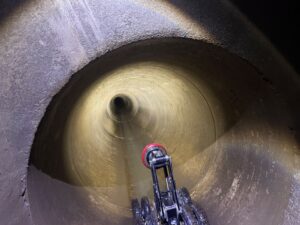
CCTV investigation and drainage asset mapping can help establish what connects to what, but any inaccessible or unconfirmed routes should remain clearly identified as such.
2. Prioritise higher-risk areas
A busy kitchen, a high-footfall toilet block, an exposed gully and a high-level roof drainage run may all require different approaches. Previous blockage records, known defects, access difficulty, pipe condition and the consequences of failure help determine which assets should receive the most attention.
- Areas with recurring grease, scale, silt or debris accumulation
- Drainage routes serving high-use kitchens, washrooms or public facilities
- Surface-water gullies and channels exposed to leaves, sediment or vehicle movements
- High-level rainwater drainage and other difficult-to-access assets
- Known restrictions or defects that need planned review rather than repeated reactive attendance
3. Agree the appropriate cleaning methods
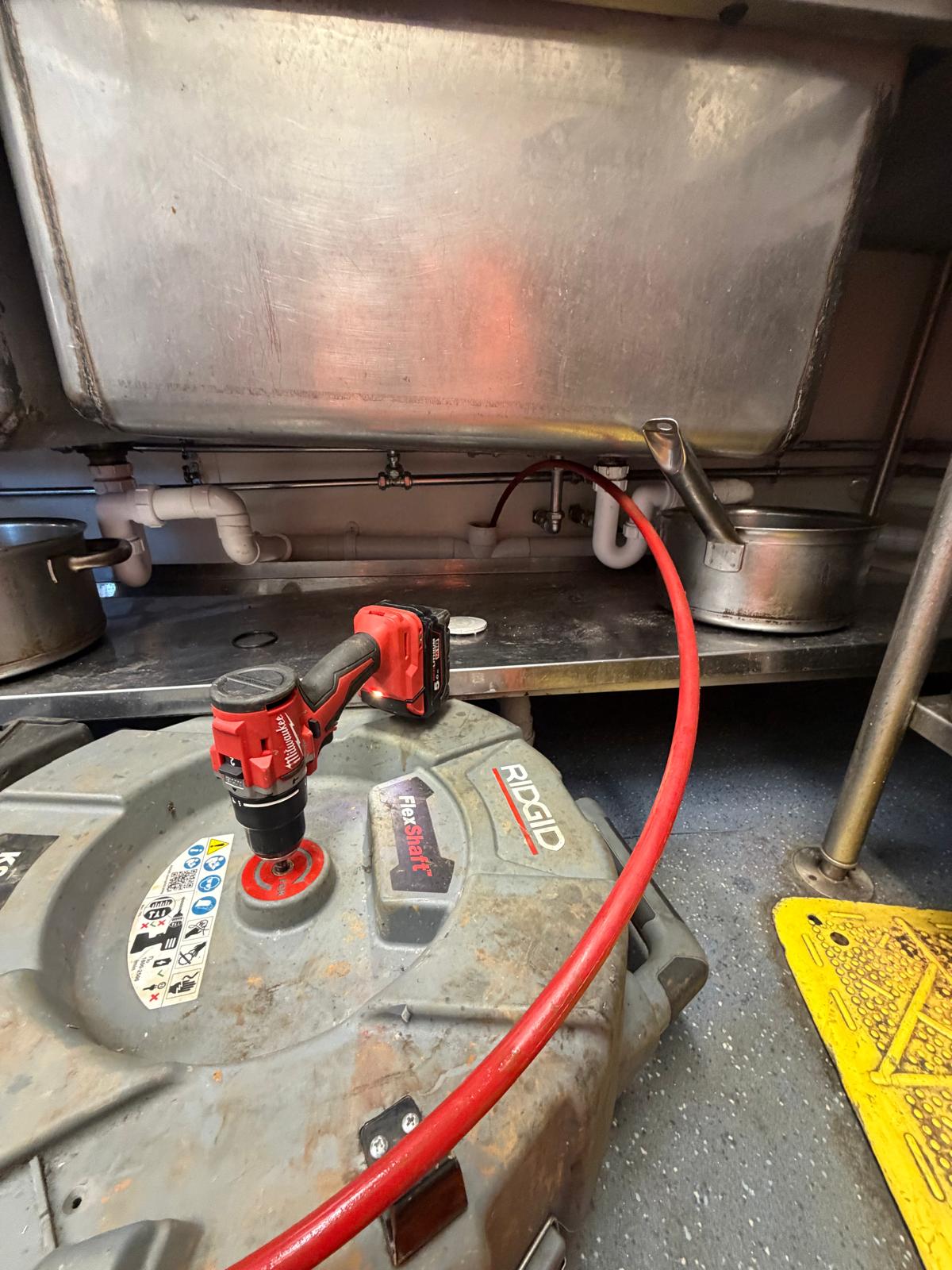
Depending on the condition of the pipework and the type of deposits present, maintenance can involve high-pressure water jetting, mechanical cleaning or descaling, gully clearance, interceptor cleaning or other specialist methods. The approach should follow a condition-based assessment rather than using maximum-pressure jetting indiscriminately.
Our drain cleaning and pipe descaling services can be combined with inspection where necessary to establish whether a restriction has been removed or whether a structural issue remains.
4. Define frequency without assuming every site is the same
There is no universal cleaning interval suitable for every commercial drainage network. A sensible starting frequency should reflect site use, historic call-outs, seasonal exposure and the likely impact of failure. Inspection and maintenance records can then be used to adjust the intervals.
The programme should also identify access arrangements, operating-hours restrictions, necessary traffic management, any confined-space considerations, waste-handling requirements and which party is responsible for authorising remedial works.
5. Require clear service records and recommendations
For each visit, a client should be able to see what assets were attended, what works were carried out, any issues that prevented completion and what action is recommended. Useful evidence may include dated photographs, CCTV footage where appropriate, recorded defects and a prioritised follow-up list.
A good record also makes it easier to spot repeat problem locations across a portfolio rather than treating each emergency as an isolated event.
6. Use reactive incidents to improve the PPM plan
If the same pipe or washroom blocks repeatedly, repeated clearance alone may not be a long-term solution. The network could need additional CCTV inspection, tracing, cleaning or repair planning. A PPM programme should capture those patterns and trigger review when the evidence calls for it.
Discuss a commercial drainage maintenance programme
Envirotech Drainage Solutions supports facilities teams and commercial property managers across Scotland with planned preventative drainage maintenance, CCTV surveys and associated drainage investigations.
To discuss site coverage, access restrictions or a portfolio maintenance scope, contact our team.